
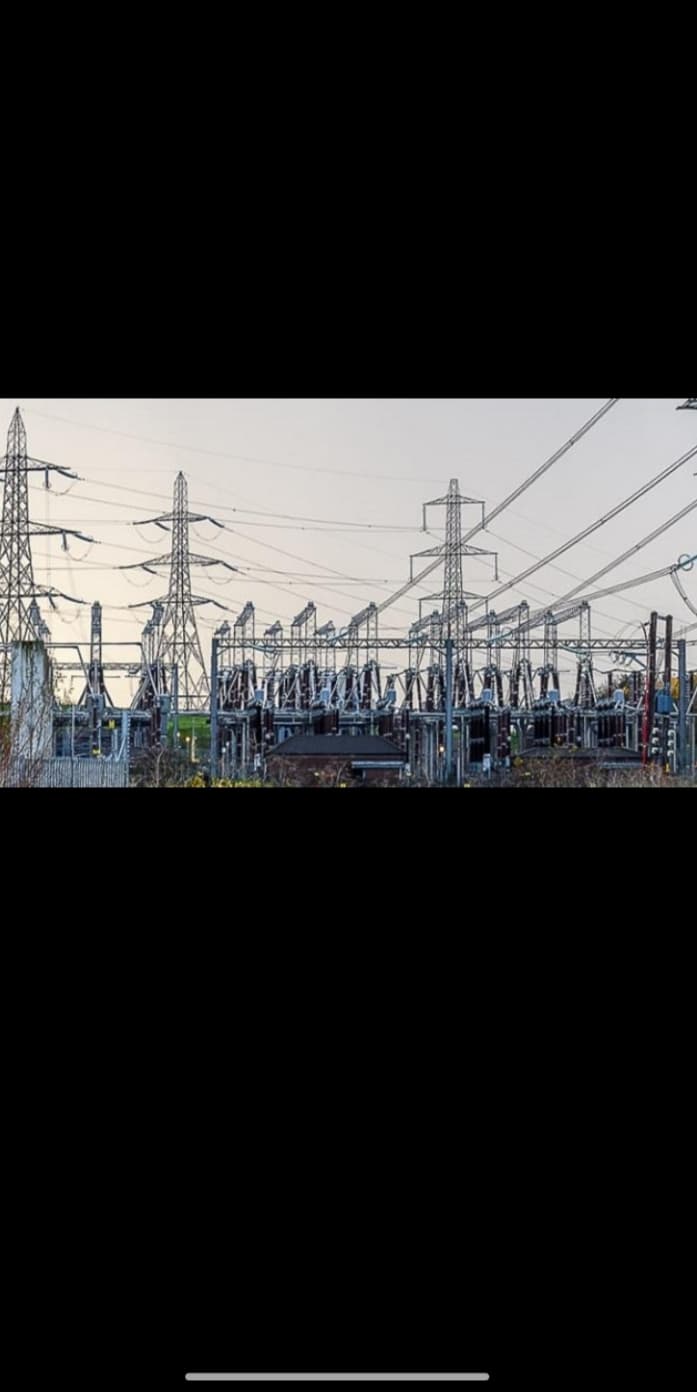
Nigeria's Electricity Crisis: Generation Crashes Below 500MW as Outages Hit Homes and Businesses
Nigeria's electricity generation plunged from approximately 3,840 megawatts to 476.70MW on October 19, triggering power interruptions and renewed concerns about the reliability of the country's electricity supply.
The sharp decline, recorded on the Nigerian Independent System Operator's monitoring platform, occurred around 12:40 p.m. and coincided with reports of outages in parts of Lagos, Abuja and Ogun State.
The Nigerian Independent System Operator (NISO) subsequently confirmed that multiple trippings on the 330-kilovolt transmission network had disrupted part of the system. It said it worked with the Transmission Company of Nigeria (TCN) to stabilise the network and restore normal operations.
NISO stressed that the incident affected only part of the grid and should not be described as a nationwide grid collapse.
However, reports published on October 21 indicate that electricity supply disruptions and distribution constraints have continued to affect some communities.
How severe was the drop in electricity generation?
According to data reported from NISO's monitoring platform, electricity generation fell by more than 3,300MW in approximately six hours.
The affected period saw several major power plants, including Egbin, Jebba, Shiroro and Kainji, record zero output on the grid.
The sudden reduction raised questions about the resilience of Nigeria's electricity infrastructure and the ability of the system to maintain a stable supply when transmission problems occur.
Although the operator reported that the disturbance had been resolved, the episode highlighted the difference between stabilising the grid and ensuring that enough electricity is generated and delivered to consumers.
Lagos, Abuja and Ogun among affected areas
Electricity distribution companies reported supply challenges across different parts of the country.
Ikeja Electric attributed reduced supply across its network to insufficient electricity allocated from the national grid.
In Abuja, the Abuja Electricity Distribution Company reported a technical fault affecting several communities, while the Ibadan Electricity Distribution Company announced transmission restrictions affecting parts of Ogun State.
These incidents had different reported causes. Therefore, not every outage should automatically be attributed to a single national grid failure.
Businesses bear the cost
For Nigerian businesses, unreliable electricity can mean higher operating costs, reduced productivity and lost revenue.
Small businesses such as barbershops, restaurants, cold-drink vendors, tailoring shops, cybercafés and printing centres often depend on generators when public electricity is unavailable.
Households may also spend more on petrol, alternative power systems and battery charging when outages last for extended periods.
The economic consequences can be particularly severe for small enterprises that operate on narrow profit margins.
When energy costs rise, businesses may have little choice but to increase prices, reduce operating hours or absorb losses.
Why does Nigeria keep facing electricity supply problems?
Nigeria's electricity sector faces interconnected challenges involving power generation, gas supply, transmission infrastructure, distribution networks and the financial sustainability of the electricity market.
A problem at one point in the system can reduce the amount of power available to consumers, even when other parts of the network remain operational.
Transmission faults can trigger protective systems that disconnect equipment to prevent further damage. Separately, inadequate generation or restrictions on electricity distribution can also leave communities with fewer hours of supply.
Addressing the problem therefore requires more than restoring power after an incident. It also requires sustained investment, reliable maintenance, adequate generation and transparent reporting of system performance.
What is the government doing?
The Federal Government has approved plans to develop new eastern and western power grids as part of efforts to improve system resilience and address recurring electricity disruptions.
A new National Control Centre for NISO is also under development in Osogbo, Osun State. The facility is intended to improve real-time monitoring and the management of the national grid.
These initiatives could strengthen electricity system operations, but their ultimate value will depend on implementation, adequate funding and improvements that consumers can actually experience.
The big question: How long must Nigerians wait for reliable electricity?
For millions of Nigerians, electricity reliability is not simply an engineering issue. It affects household expenses, education, healthcare, employment and the ability of businesses to remain competitive.
The latest disruption has renewed calls for greater accountability across the electricity value chain.
Consumers need clear information about the causes of outages, realistic restoration timelines and measurable improvements in service delivery.
The central question is this: can Nigeria build an electricity system that reliably supports homes and businesses, or will consumers continue to pay more for an unreliable supply?
Share your experience with electricity supply in your area.
Sources: TheCable, The Punch, BusinessDay, THISDAY and Nigerian Independent System Operator (NISO).
This report distinguishes the October 19 generation decline from subsequent outages reported on October 21. The latest status of individual locations should be confirmed with the relevant distribution company.




0 Comments